
Mental health is our emotional, psychological and social wellbeing. It’s influenced by things like relationships, finances, work, and physical health. It affects how we think, feel, act, manage stress and interact with others. Good mental health helps us enjoy life and cope with challenges.
Scroll down for more information or:
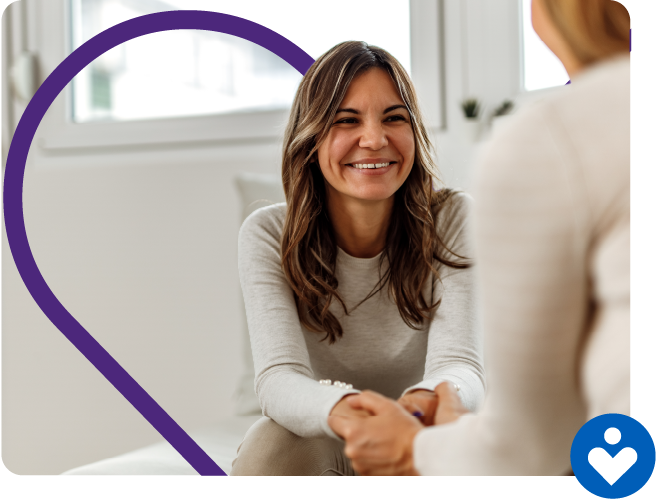
About mental health
Hormone changes can affect your mood. You might experience this before or during your period, during pregnancy, perimenopause and menopause. Generally these feelings can be managed with self-care, and will pass as your hormones shift. Understanding your menstrual cycle will help you notice any unusual changes.
Young people and mental health
During puberty and early adulthood, young people often experience mood swings, strong emotions and changing perceptions about the world. Hormonal changes in young women and girls, especially during the onset of periods and body changes, can be intense. However, persistent low moods, extreme outbursts, thoughts of self-harm, or seeing or hearing things that are not there are not normal. Talk to your doctor about these feelings, or feelings that impact your relationship with food.
Young Minds provides mental health support for young people:
If you are experiencing persistent anxiety, very low mood for long periods, thoughts of self-harm, problems with eating, or feeling strong emotions that are making your life difficult, seek help from your doctor.
Neurodiversity and mental health
Neurodiversity is not a mental health condition and neurodivergent people do not always experience difficult mental health symptoms but may experience challenges that increase stress, anxiety or depression.
Many more girls and young women than previously thought experience neurodiverse conditions like ADHD and autism. Mental health challenges like mood fluctuations, intense emotions, difficulties relating to other people, or concentrating for long periods can come along with these conditions.
Periods and mental health
For further information on periods:
Pregnancy and mental health
Pregnancy involves physical changes which can affect your mood. Most mild changes can often be managed with a healthy lifestyle and by talking about your experiences.
Some people may experience an improvement in their mental health while others may experience mental health challenges during or after pregnancy, particularly if you have had a mental health condition in the past, or have a current mental health condition.
Pregnancy can also be a frightening or emotional time for people who have experienced previous losses, either through death, or by their children being taken into care.
Experiencing very low moods, hearing voices, seeing things that are not there, or having thoughts of suicide or of harming yourself or your baby are symptoms of more serious mental health issues and require immediate professional help.
In the first few days after giving birth, hormonal levels and lack of sleep can cause feelings of low mood. Generally, this will pass in a week or two, but it is not normal for a very low mood to continue for a long time.
For further information on pregnancy and mental health:
Menopause and mental health
Some mental health symptoms, like occasional low moods, mild anxiety, brain fog and forgetfulness, are a normal part of the menopause, and can be very mild. Depression, regular anxiety, suicidal thoughts and psychosis are more serious, and you should talk to your doctor if mental health symptoms are having a negative impact on your life.
Symptoms can last for months or years and can change with time. Getting advice early can help reduce the impact perimenopause and menopause have on your mental health, relationships and work.
If you already live with a mental health problem, you may find the menopause affects it. Symptoms may get worse or become harder to manage, or medications may be less effective than before. Talk to your doctor if you are unsure.
For further information on menopause:
LGBTQ+
How to live well
Conditions and disorders
It’s more common for women and girls to experience anxiety, and for this to affect relationships with food or body image. Learning to manage strong or confusing feelings is crucial for overall health and wellbeing. If you are struggling with your mental health, talk to your doctor in the first instance.
Self-harm
Self-harm is when somebody intentionally damages or injures their body. It’s usually a way of coping with or expressing overwhelming emotional distress. Young women and girls hurt themselves in different ways to boys.
Eating disorders
An eating disorder is when unhealthy attitudes towards food lead to someone becoming ill, often focusing on food and body weight and shape so much that it interferes with their daily life. This can involve food restriction, episodes of overeating and attempts to avoid weight gain through vomiting or excessive exercise.
While anyone can get an eating disorder, it primarily affects teenagers and young adults, with girls being more commonly affected. With treatment, most people can recover from an eating disorder.
Support in Dorset
If you are struggling with an eating-related problem which is affecting your health, you can access the Dorset eating disorders service by talking to your doctor. They provide several evidence-based treatments including cognitive behavioural therapy (CBT), family therapy, motivational interviewing and interpersonal therapy, as well as body image and self-esteem therapies.
Personality disorders
Borderline personality disorder (BPD) and anti-social personality disorder (ASPD) are disorders that make your emotions feel difficult to cope with and can affect your relationships with other people. Women are more likely to be diagnosed with BPD. ASPD can range in severity, and women often show different symptoms to men. Both conditions are commonly experienced alongside other mental health conditions, such as generalised anxiety disorders, eating disorders and self-harm. It is important to receive advice and support to live well with BDP or ASPD.
Support in Dorset
The Intensive Psychological Therapies Service in Dorset provides specialist therapy for people with complex trauma and longstanding interpersonal difficulties, including post-traumatic stress disorder and personality disorders. You will need a referral from a community mental health team to use this service.
Dementia
Dementia is a progressive neurological disease of the brain; it is not a normal part of ageing. Of the people living with dementia in the UK, 65% are women.
Services
Charities offering support for dementia
Living well with dementia
Local services
Taking care of your mental health is just as important as taking care of your physical health. Women are three times more likely to experience common mental health problems, as things like your period, pregnancy, having a baby, and menopause can all affect your mental health. Help and support is available across Dorset.
If you are struggling with your mental health, talk to your doctor in the first instance. Mind UK has useful information about preparing to talk to your GP:
Urgent support
Support in Dorset
Community Front Rooms
Community Front Rooms (CFRs) are open to anyone over 18 who needs face-to-face support. They are staffed by mental health professionals and peer specialists (people with personal experience of mental health issues), and are there for you if you are struggling to cope and feel you are approaching a crisis point.
Support for young people
Young people aged between 16 and 17 can refer themselves to the Children and Adolescent Mental Health Service (CAMHS) by calling Connection on 0800 652 0190 or visiting the CAMHS website.
Children under 16 will require a referral to the CAMHS team from a doctor or other health professional.
HOPELINE247
Call 0800 068 4141, text 07860 039967 or email pat@papyrus-uk.org to contact HOPELINE247, available 24 hours a day.
Samaritans
Call 116 123 to talk to Samaritans, or email: jo@samaritans.org for a reply within 24 hours.
Long-term and specialist support
Adult community mental health teams in Dorset support adults aged 18-65 with care, advice and information about significant mental health problems like schizophrenia, bi-polar disorder, eating disorders and personality disorders. You must be over 18 and a referral from your doctor or other health professional to use this service.
Older people’s community mental health teams support older people with mental health problems like depression, anxiety and dementia to live safely at home and prevent unnecessary admissions to hospital. You will need a doctor or other health professional to refer you to this team.
